Voice Assistants & Hubs: The Ecosystem Brain
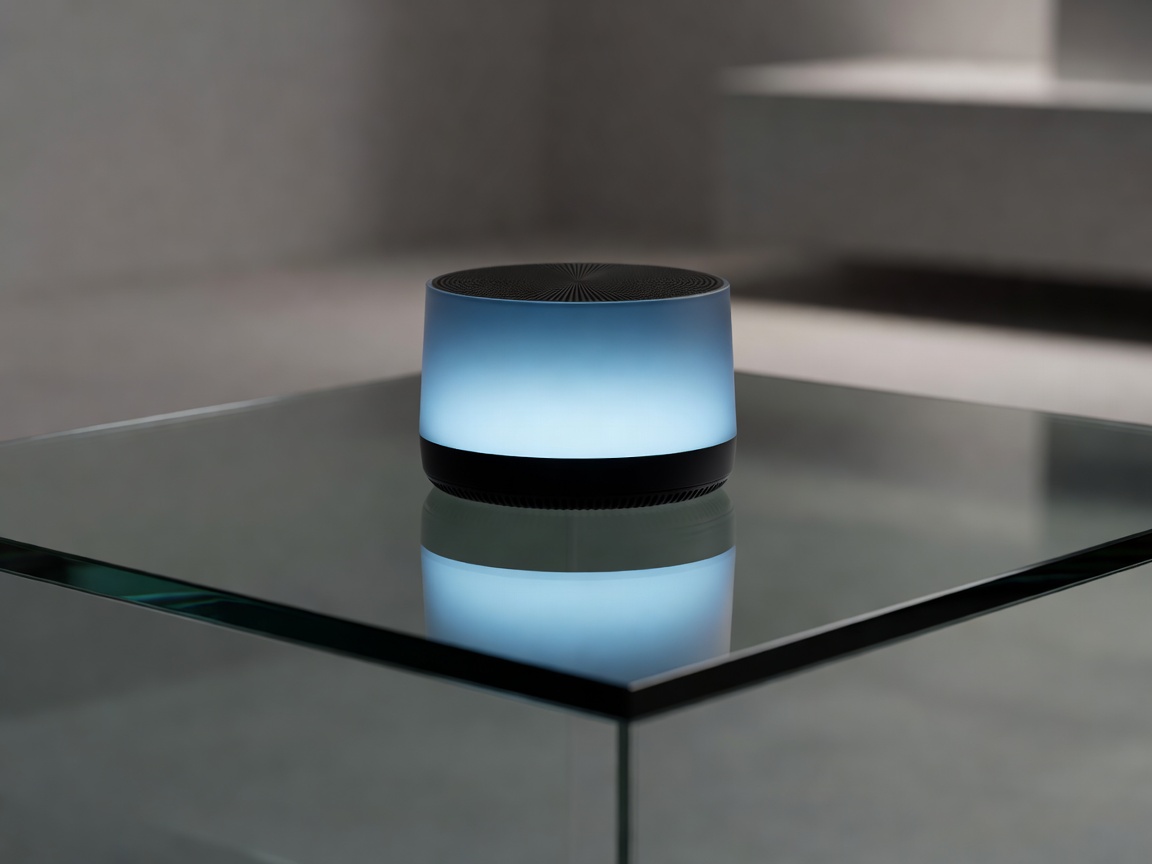
A collection of smart devices is merely a list of disparate electronics until they are unified by a central nervous system. Smart hubs and voice assistants form this critical layer, ingesting data, routing commands, and executing complex automations based on environmental triggers.
The Great Unification: Enter Matter
Historically, the primary frustration of building a smart home was ecosystem fragmentation. A sensor designed exclusively for Apple's HomeKit would refuse to communicate with a Google Nest hub. The industry's solution to this interoperability nightmare is the Matter protocol.
Matter is an overarching, open-source standard created collaboratively by the major tech titans. It guarantees that any device bearing the Matter logo will work locally across any ecosystem. A Matter-certified lock can simultaneously be controlled by Siri on an iPhone, an Alexa speaker, and a Google display. Understanding Matter compatibility is now the first step in assessing any hub or smart speaker.
Local Execution vs. Cloud Dependency
A vital differentiator between hub systems is where the processing occurs. Many popular, mass-market voice assistants rely on cloud computing. When you speak a command to turn on a light, the audio is sent to a remote server, transcribed, processed into a command, and sent back to your local network. This introduces latency (delays in execution) and a critical vulnerability: if your internet connection fails, your automation stops.
Conversely, dedicated local hubs (such as systems running Home Assistant or Hubitat) process logic directly on internal hardware. Automations execute instantly, remain functional during internet outages, and prevent detailed home telemetry from leaving the physical premises.
Smart Speakers vs. Smart Displays
When selecting the physical hardware for interaction, consumers must choose between purely auditory speakers and visual smart displays.
- Smart Speakers: Unobtrusive and focused on auditory feedback. Ideal for bedrooms, hallways, or spaces where screens are distracting. Their low cost allows for multi-room audio and whole-house intercom functionality.
- Smart Displays: Incorporate touchscreens ranging from 5 to 15 inches. These are exceptionally useful in kitchens for displaying recipes, checking live feeds from security cameras, or providing a permanent dashboard of the home’s status.
Privacy and Ambient Microphones
Integrating always-listening microphones into intimate living spaces warrants serious privacy consideration. Devices analyze audio locally looking for a "wake word," only transmitting data after the word is detected. However, false positives do occur.
To mitigate risk, look for hardware with physical microphone disconnect switches that sever the electrical connection to the mic array, rather than just muting it via software. Furthermore, routinely reviewing and deleting saved voice recordings via the associated ecosystem apps should be standard practice for privacy-conscious households.
Conclusion
The hub is the most critical decision in a smart home build. Whether prioritizing the out-of-the-box simplicity of mainstream voice assistants or the uncompromised privacy and speed of a locally hosted automation server, ensure the central brain supports Matter to future-proof your hardware investments.