Intelligent Lighting Systems: Beyond the Basic Bulb
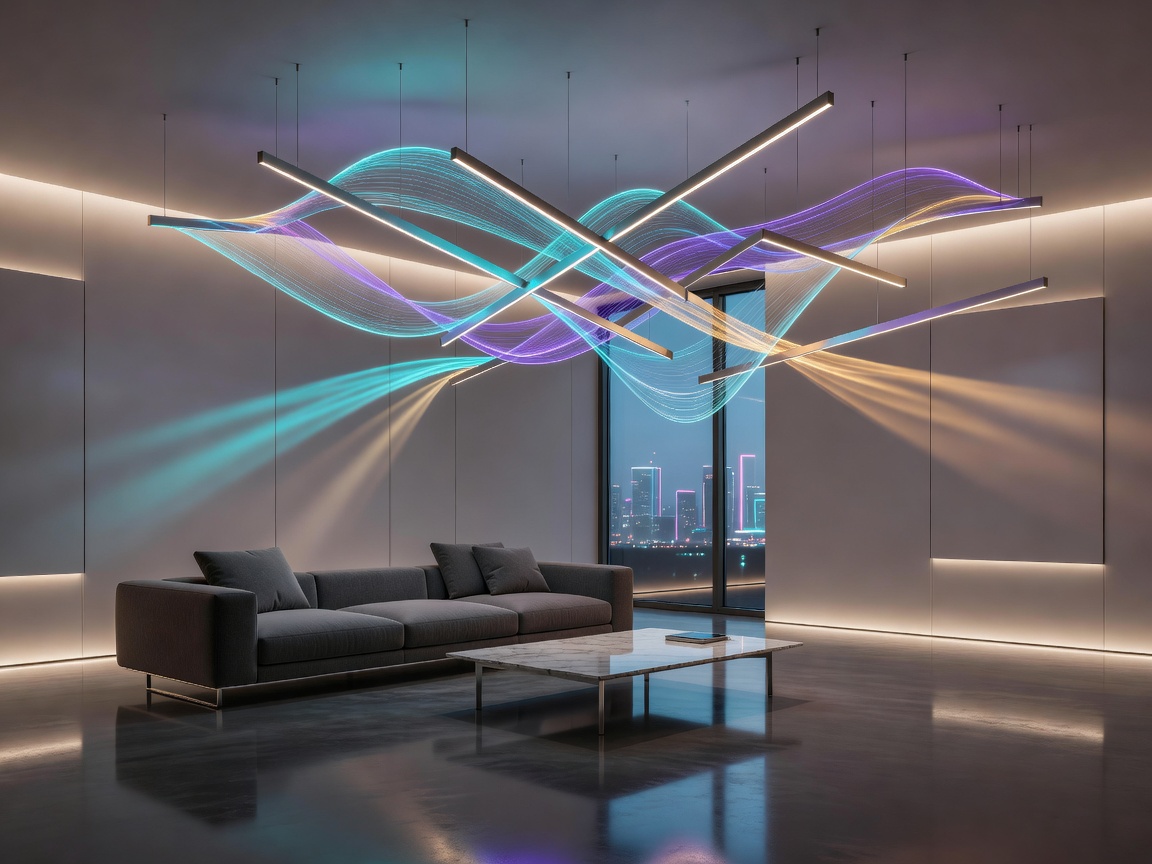
The evolution of home illumination has progressed far beyond the simple incandescent filament. Modern smart lighting systems act as the most visible and interactive layer of a smart home ecosystem. However, navigating the transition requires understanding network protocols, installation methods, and the physiological impact of light.
Core Technologies: Wi-Fi, Zigbee, Thread, and Matter
The foundation of any smart lighting setup is how the devices communicate. General consensus suggests that crowding a standard home Wi-Fi router with dozens of individual smart bulbs can lead to network congestion and dropped connections.
- Wi-Fi: Excellent for starting out with one or two bulbs since it requires no dedicated hub. However, it scales poorly in whole-home deployments and relies heavily on cloud servers.
- Zigbee: A low-power mesh network protocol. Devices pass signals to one another, meaning the more devices you have, the stronger the network. It requires a central hub to interface with your router.
- Thread & Matter: The modern standard. Thread provides a self-healing mesh network similar to Zigbee but operates on IPv6, meaning devices can communicate directly with the internet. Matter is the unifying application layer that ensures a Thread bulb will work seamlessly across Apple, Google, and Amazon ecosystems without proprietary bridges.
The Installation Dilemma: Bulbs vs. Switches
A common friction point in early smart homes is the physical light switch. If a smart bulb is installed in a fixture and the physical wall switch is flipped off, the bulb loses power and drops off the network, rendering voice commands and automation useless.
To solve this, homeowners face a choice: deploy smart bulbs and cover or bypass the physical switches, or install smart wall switches. Smart switches allow for traditional physical control while maintaining the smart functionality of the circuit. However, smart switches typically require a neutral wire in the wallbox and only dim standard dimmable bulbs—they cannot change color.
Market trends indicate a hybrid approach is best: smart switches for primary overhead lighting where color changes aren't necessary, and smart bulbs in lamps and accent fixtures where color temperature tuning is desired.
Circadian Rhythms and Color Temperature
While RGB color-changing bulbs are popular for entertainment, the true utility of smart lighting lies in tunable white light. The human circadian rhythm is deeply influenced by the color temperature of ambient light, measured in Kelvin (K).
Exposure to cool, blue-toned light (5000K-6500K) suppresses melatonin production, promoting alertness during the day. Conversely, warm, amber-toned light (2000K-2700K) encourages relaxation in the evening. Advanced smart lighting systems can be programmed to automatically transition through these temperatures as the day progresses, mimicking the natural arc of the sun and supporting healthier sleep hygiene.
Conclusion
When selecting a system, consider your long-term goals. If you plan to expand your smart home, investing in a hub-based system (Zigbee) or Thread-compatible devices will provide a more stable and responsive experience than heavily relying on localized Wi-Fi bulbs.