Smart Kitchen Appliances: Separating Utility from Novelty
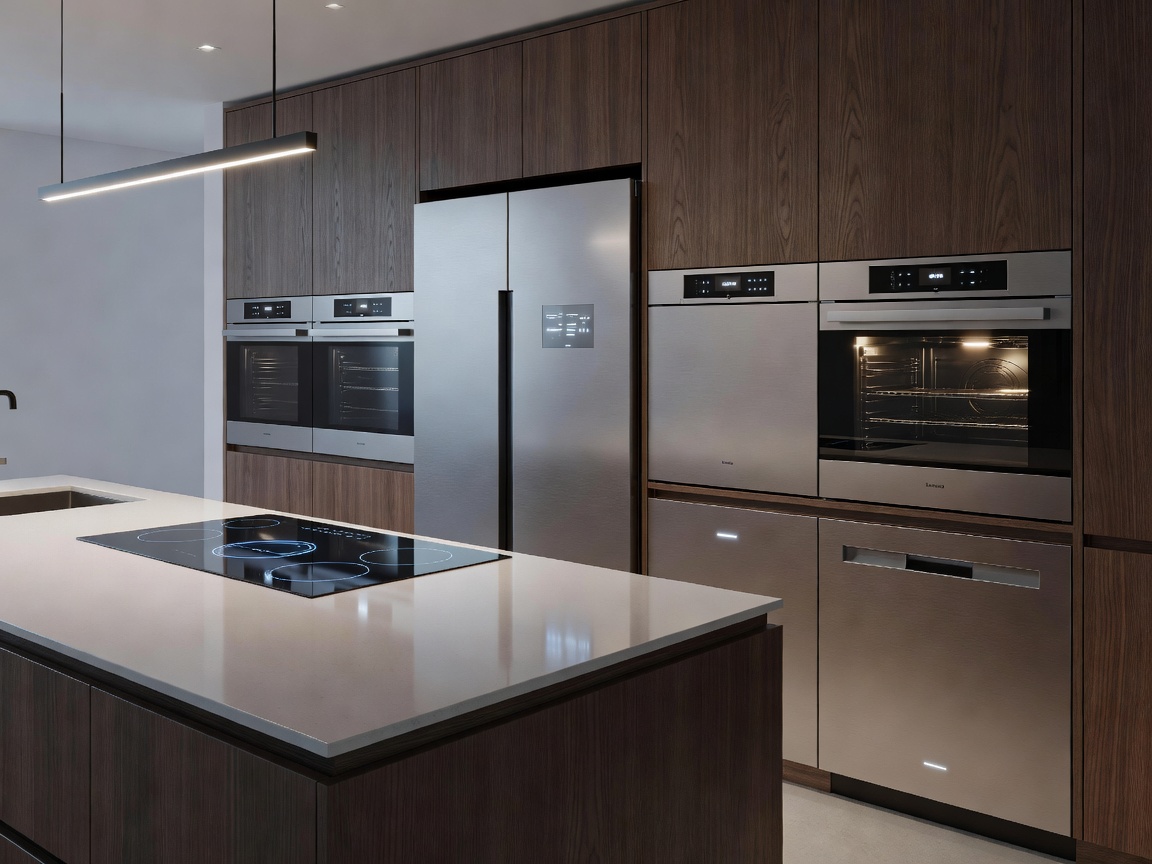
The kitchen is often described as the heart of the home, yet it has traditionally been one of the last frontiers for meaningful smart integration. White goods and culinary tools are now rapidly gaining network connectivity, but distinguishing between appliances that offer genuine utility and those burdened with superficial gimmicks requires careful scrutiny.
The Smart Refrigerator: Inventory vs. Display
The most visually striking connected appliance is the smart refrigerator, often identifiable by a massive touchscreen embedded in the door. While these displays can act as family communication hubs or media players, the true value lies internally.
Advanced units feature internal wide-angle cameras that take a snapshot every time the door closes, accessible via a smartphone app while at the grocery store. More sophisticated models utilize machine learning to automatically catalogue inventory, track expiration dates, and suggest recipes based on available ingredients. Furthermore, diagnostic telemetry can alert users to a failing compressor or an improperly sealed door before food spoilage occurs.
Automated Cooking: Connected Ovens and Ranges
Connectivity in ovens offers precision that fundamentally changes meal preparation. Integration with wireless meat probes allows the oven to monitor the internal temperature of a roast, automatically lowering ambient heat to hold the food safely when the target temperature is reached.
Remote pre-heating is a common feature, though safety regulations often require physical confirmation (like pressing a button on the unit before leaving the house) to enable remote ignition later. Voice control integration is particularly useful in the kitchen, allowing a cook with messy hands to adjust baking times, set multiple named timers, or lower temperatures without touching control panels.
Proactive Safety: Leak Detection and Shutoffs
Perhaps the most critical, yet underappreciated, category of smart kitchen technology relates to safety and damage prevention. The kitchen houses major water lines for dishwashers, refrigerators, and sinks.
Placing low-cost, connected leak sensors under appliances can detect a slow drip before it becomes a catastrophic failure. When integrated into a broader smart home ecosystem, a triggered leak sensor can instantly send a push notification, sound an audible alarm, and—if paired with a smart automated water valve—shut off the main water supply to the house, potentially saving thousands in water damage repairs.
Small Appliances and Energy Monitoring
Countertop appliances—such as coffee makers, slow cookers, and kettles—are frequently integrated via smart plugs. A smart plug placed between a traditional appliance and the wall outlet allows for scheduled power delivery and remote shutoff, ensuring peace of mind that an appliance wasn't accidentally left running.
Advanced smart plugs also feature energy monitoring, providing real-time data on electrical draw. This telemetry helps identify inefficient, aging appliances that may be artificially inflating monthly utility bills.
Conclusion
The intelligent kitchen is less about internet-browsing on appliances and more about precision control, preventive maintenance, and safety. When evaluating smart white goods, prioritize features that reduce culinary cognitive load or protect the home's infrastructure over flashy interface novelties.